
Articles
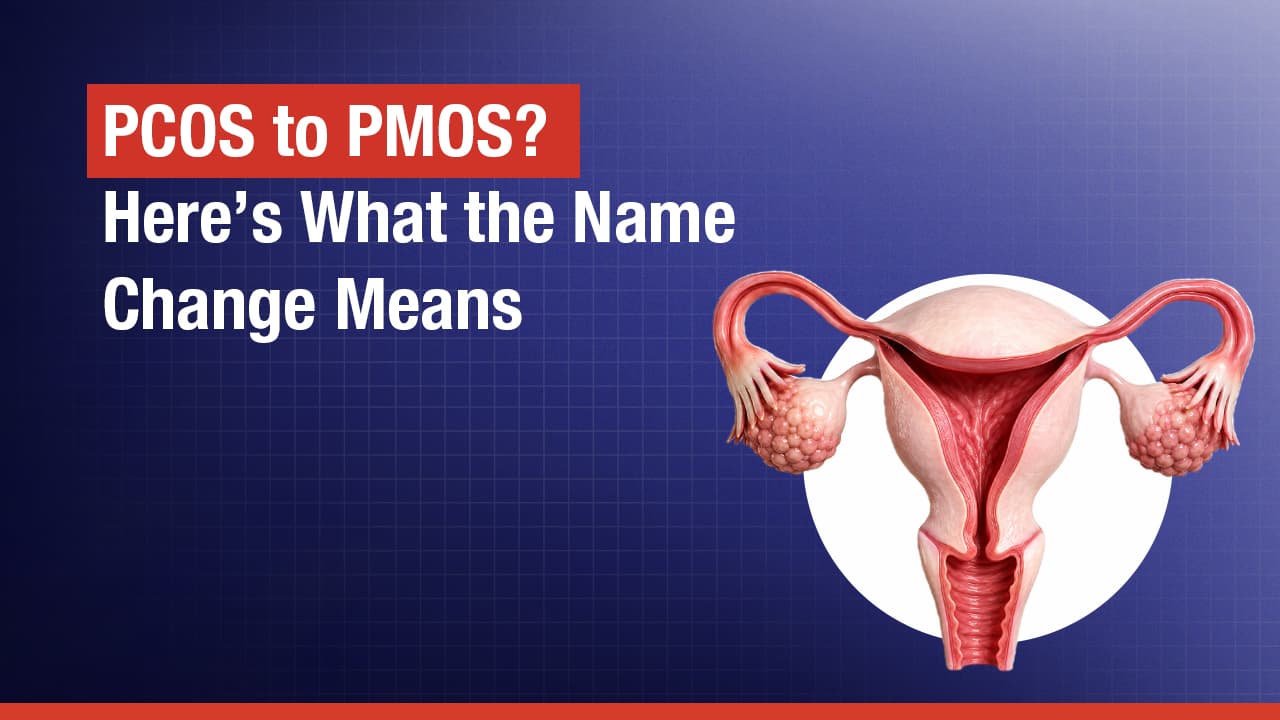
PCOS to PMOS? Here’s What the Name Change Means

Share this article

PCOS has a new name, nearly 90 years after it was first identified.
For decades, Polycystic Ovary Syndrome (PCOS) has been the term used to describe a condition affecting millions of women worldwide. But recent headlines around PMOS, short for Polyendocrine Metabolic Ovarian Syndrome, have left many wondering: Has PCOS really been renamed, and if so, why now?
The name change is not just about updating medical terminology. It reflects a broader shift in how experts understand this condition. Because while the word PCOS suggests an ovarian condition involving cysts, the reality is far more complex.
This condition can affect hormones, metabolism, fertility, skin health, weight, insulin function, and even long-term heart health.
So the real question is not just “Why the new name?” but “Has the old one been telling the wrong story all along?”
What Is PCOS?
PCOS, or Polycystic Ovary Syndrome, is one of the most common hormonal disorders affecting women during their reproductive years. It is a condition that affects how the ovaries function, but its impact goes far beyond reproductive health.
In PCOS, the body may produce higher-than-normal levels of androgens (male-type hormones), which can interfere with normal ovulation, meaning the ovaries may not release eggs regularly.
This can lead to symptoms such as:
- Irregular or missed periods
- acne
- excess facial or body hair
- thinning hair on the scalp
- difficulty conceiving
- unexplained weight gain
- insulin resistance (when the body struggles to use insulin properly, making blood sugar harder to manage)
Some women with PCOS may also have multiple small follicles in the ovaries that appear on an ultrasound, which is where the term “polycystic” comes from.
Why Is PCOS Suddenly in the News?
A recent paper published in The Lancet has proposed renaming PCOS to Polyendocrine Metabolic Ovarian Syndrome (PMOS).
At first glance, this may seem like just another medical terminology update. But this proposed change goes much deeper.
Experts believe the current name, Polycystic Ovary Syndrome, no longer accurately reflects what this condition actually is. In fact, many now argue that the name has been misleading for years, creating confusion for both patients and healthcare professionals.
The discussion is not simply about changing a label. It is about better understanding a condition that affects far more than just the ovaries.
Why Is the Name PCOS Considered Inaccurate?
The term Polycystic Ovary Syndrome makes the condition sound much simpler than it really is. While the ovaries are certainly involved, the name does not capture the full picture. Here is why experts believe it may no longer be the most accurate term.
1. PCOS Does Not Actually Mean Ovarian Cysts
This is one of the biggest misconceptions around PCOS.
The word “polycystic” makes it sound like the condition is defined by multiple ovarian cysts. But that is not exactly true.
What is often seen on an ultrasound are actually immature follicles—small sacs in the ovaries that contain developing eggs. These are not the same as pathological cysts, which are abnormal fluid-filled growths that may need medical attention.
This misunderstanding has led many women to believe that if they do not have visible cysts, they cannot have PCOS.
2. It Sounds Like Only an Ovarian Condition
The word “ovary” naturally makes it seem like this is only a reproductive issue. But PCOS affects much more than the ovaries.
It is now understood as a condition involving both the endocrine system and the metabolic system.
To simplify:
- Endocrine system = the body’s hormone network, which controls hormones like insulin, estrogen, and androgens
- Metabolic system = how your body manages energy, blood sugar, fat storage, and overall metabolism
This means PCOS is not just about periods or fertility. It can affect how the entire body functions.
3. It Ignores the Metabolic Side of the Condition
One of the biggest gaps in the name PCOS is that it says nothing about metabolism. Yet for many women, metabolic health is a major part of the condition.
PCOS is linked with:
- insulin resistance (when the body does not respond properly to insulin)
- prediabetes
- increased risk of type 2 diabetes
- cholesterol imbalance
- fatty liver disease
- higher heart health risks
These concerns can have long-term health implications, but the current name gives no clue that they are part of the condition.
4. It Can Delay Diagnosis
Names shape understanding, and misunderstanding can delay care. Many women may wonder: "I do not have ovarian cysts, so can I still have PCOS?"
Or they may only connect the condition with fertility issues while overlooking symptoms like acne, facial hair growth, weight gain, or insulin resistance.
This may contribute to delayed diagnosis, confusion, and incomplete treatment. A name that reflects the broader reality of the condition could help both women and healthcare providers identify it earlier.
Why PMOS? What Does the New Name Mean?
The proposed new name for PCOS is PMOS, which stands for Polyendocrine Metabolic Ovarian Syndrome. The idea behind this name is to better reflect what the condition actually involves.
Polyendocrine: the term here means multiple hormone systems are affected, not just the ovaries. This includes hormones related to ovulation, insulin, and androgen levels.
Metabolic: it highlights the impact PCOS can have on blood sugar control, insulin resistance, weight management, cholesterol, and even long-term heart health.
Ovarian: it remains part of the name because ovarian dysfunction, such as irregular ovulation and menstrual changes, is still an important feature of the condition.
In short, the new name aims to describe the condition more accurately than the term PCOS.
A Global Effort Behind the Renaming
This was not a sudden or random decision. The renaming process involved a large international effort that included both medical experts and women living with the condition.
The global discussion included:
- 14,360 total responses
- Over 10,000 women with PCOS
- Nearly 4,000 healthcare professionals
- 56 medical, academic, and patient organizations
- structured workshops with specialists, researchers, and patient advocates
The goal was to reach a scientific and patient-informed consensus on a name that better reflects the condition.
How Could This Change Help Women?
If widely adopted, this name change could bring several meaningful benefits.
Better understanding
The current name can be misleading. A more accurate name may help women better understand that this condition involves hormones, metabolism, and reproductive health—not just ovarian cysts.
Earlier diagnosis
When symptoms are understood more clearly, diagnosis may happen sooner instead of years later.
More complete treatment
PCOS care is often focused mainly on periods or fertility. A broader name may encourage care that also addresses insulin resistance, heart health, weight, and mental well-being.
Less confusion and stigma
Many women have questioned whether they really have PCOS if they do not have visible cysts. A clearer name could reduce this confusion and some of the emotional stress attached to the condition.
Better research and awareness
Medical terminology influences research, healthcare education, and treatment guidelines. A more accurate name may help bring stronger focus to the condition.
Women may feel more validated
For many women, PCOS affects much more than fertility. A name that reflects the full condition can help acknowledge those wider experiences more honestly.
Conclusion :
A name change may sound like a small update, but in medicine, names shape understanding.
After nearly 90 years, PCOS has now been renamed PMOS, or Polyendocrine Metabolic Ovarian Syndrome , marking an important shift in how this condition is understood. This change reflects what experts have increasingly recognised over time: this is not simply an ovarian condition linked to cysts, but a complex hormonal and metabolic disorder that can affect many aspects of a woman’s health.
More than just updated terminology, this renaming opens the door to clearer awareness, earlier diagnosis, more holistic treatment, and hopefully less confusion for women navigating the condition.
At Ranfort Wellness, we believe conditions like PCOS require more than symptom management alone. Sustainable hormonal and metabolic wellness often needs personalised nutritional guidance, lifestyle support, and a long-term approach. Whether you are navigating insulin resistance, hormonal imbalances, or related metabolic concerns, the right support can make the journey feel more manageable.
FAQs
Q1. If PCOS is now called PMOS, should I change how I talk about my condition?
A: Not immediately. Many people and healthcare providers will still use PCOS for some time. The key difference is understanding that the condition is broader than just an ovarian issue, involving hormones and metabolism too.
Q2. Does the name change from PCOS to PMOS affect my treatment?
A: No. The treatment approach remains the same and may still include lifestyle changes, nutritional support, exercise, or medication based on your symptoms. The new name simply encourages a more whole-body approach to care.
Share this article